
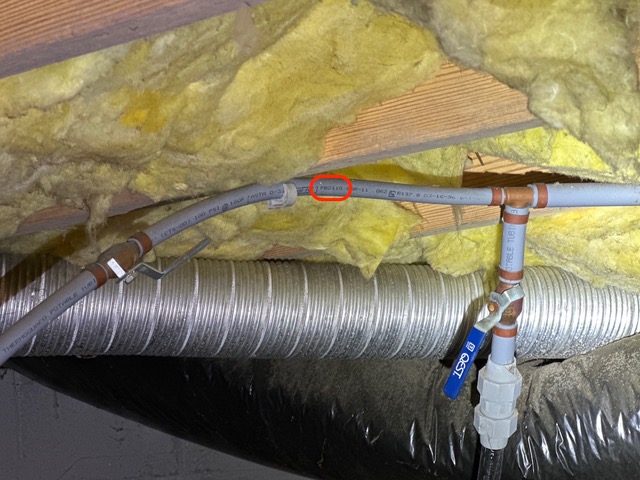
We always recommend follow-up inspections to our clients because we have seen too many cases where negotiated repair work was deficient or not done at all. While we expect to find poorly crafted or incomplete repairs, this story really tops them all. A client hired us to perform a follow-up inspection for several negotiated items. As usual, many of the items weren’t done to a professional standard. However, there was one item in particular that really stood out: the replacement of the polybutylene (PB) plumbing system.
While home inspectors are not required to identify or comment upon the presence of PB plumbing, we choose to list it as a priority item in our reports at Property Doc. This plumbing system has experienced a higher-than-normal failure rate. The manufacturers have been involved with and settled class action lawsuits alleging manufacturing defects with this plumbing system containing plastic or metal insert fittings, including copper and brass. The presence of this piping may inhibit a homeowner’s ability to obtain insurance. Therefore, we find it important to draw attention to this so that our clients can make an informed decision. In this case, the seller had agreed to replace the entire system.
When I came back out for my 1st follow-up inspection, it had been replaced in the more obvious areas – one glance in the crawlspace suggested that the job was done. However, my experience has taught me to dig deeper.
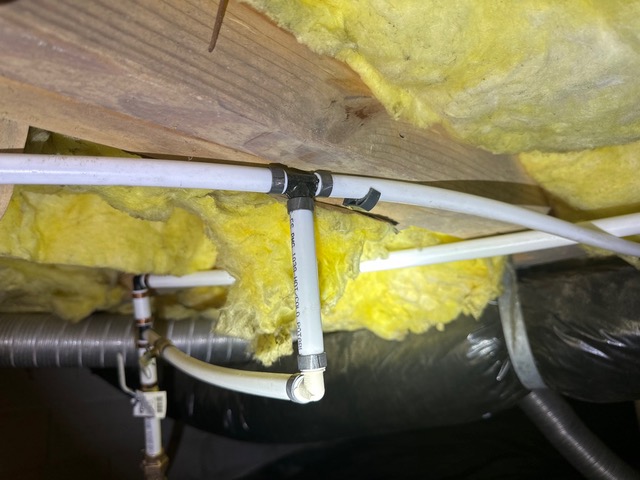
Upon further inspection by pulling away insulation under the floor and pulling on plumbing supply lines under fixtures, I found that the new crosslinked polyethylene (PEX) plumbing had been crimped to the old PB.
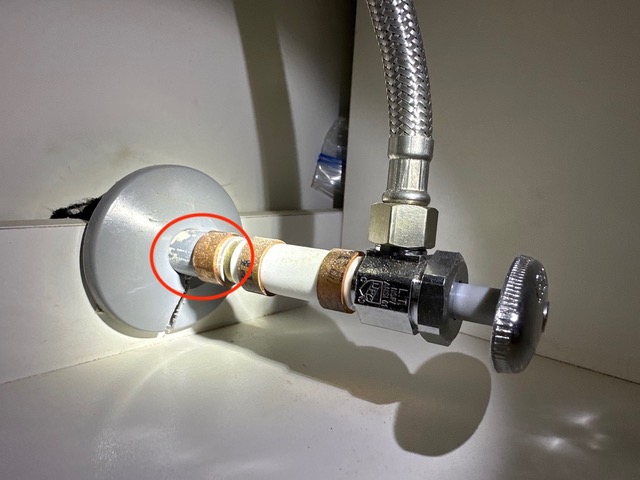
I wish I could say that I was surprised to see this, but it is sadly what I have come to expect in this profession.
My clients hired me to come out for a 2nd follow-up inspection. This time, more of the PB plumbing had been replaced for a few first-floor fixtures. But again, I found fixtures that were mysteriously crimped to plumbing that was painted white. Upon scraping the paint, I confirmed the presence of PB plumbing again.
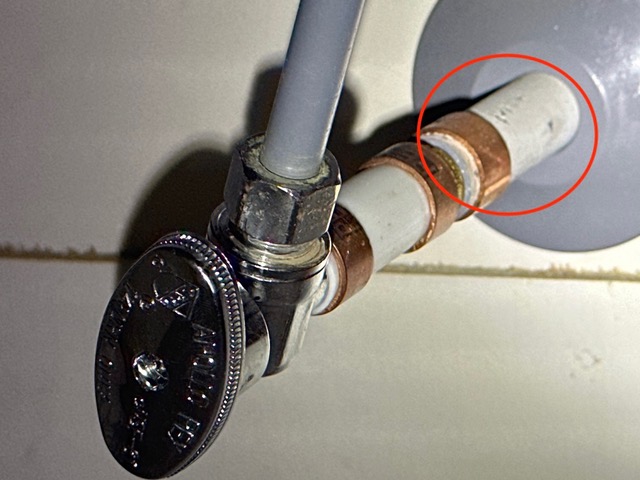
I was suspicious at this point and made a point to warn in my report that the old system may be present behind shower fixtures – hoping that the selling party may take the hint.
I came out for a 3rd follow-up inspection. At this point, I did not trust that the job was done, and I was determined to look everywhere that I possibly could. I looked as far as I could see up past the insulation and through the flooring structure and all I saw was new PEX. Great. I pulled on supply lines at all fixtures again and only saw PEX. Awesome. Then I went far beyond my scope of work and outside the bounds of my contract – I disassembled the shower fixtures and looked into the wall cavities.
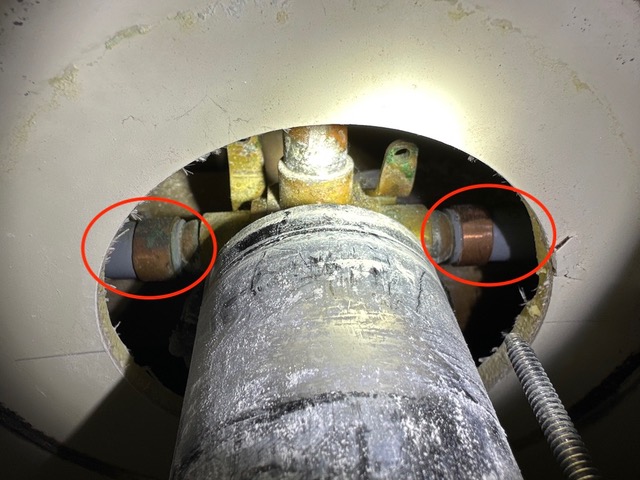
Sure enough – at least six inches of old PB supply lines on both sides. Unbelievable!
At this point, I was boiling inside from sheer frustration for my clients. I’ll never know the story on the other side, and I prefer not to make assumptions. Maybe the sellers were cutting corners intentionally, maybe they were getting duped by an unscrupulous contractor, or if I give the benefit of the doubt, maybe there was some serious miscommunication about what was expected. Either way, far too often, we are finding that our clients aren’t getting the results to which they are contractually entitled and we find this unacceptable.
The lesson: Do not cut corners on your due diligence because the seller might be cutting corners on you.
Recent Comments